
Being recognized as the “Best Choice” for Christian Grief Coach Certification is an honor we never take lightly.
In fact, after receiving this recognition for four consecutive years, 2023, 2024, 2025, and 2026, by Life Coach Magazine, we feel an even greater responsibility to keep raising the standard.
At Grief Coach University, our goal has never been simply to provide another certification. We want to prepare people to make a meaningful difference in the lives of those experiencing loss—with the knowledge, skills, confidence, and practical tools to help facilitate real transformation.
That means we cannot stand still.
As our understanding of grief, neuroscience, trauma, emotional regulation, and effective coaching continues to grow, Grief Coach University must continue growing, too.
And lately, we’ve been busy.
A New 60-Second Quiz to Help You Know if GCU Is Right for You
One of our newest additions is our 60-second Grief Coach U quiz, created for people who feel drawn to helping others but may still be wondering whether professional grief coach training is the right next step.
Perhaps you have experienced a significant loss yourself and now feel called to help someone else.
Maybe people naturally come to you during difficult times.
Or perhaps you are already a coach, pastor, ministry leader, counselor, or helping professional and recognize that compassion alone does not always tell you what to do next.
The quiz provides a simple starting point to help you explore whether GCU training may be a good fit—without asking you to make a major decision before you understand the opportunity.
Introducing the Grief Care Brief
We also launched the Grief Care Brief, our new monthly professional publication dedicated to advancing informed, compassionate, and effective grief care.
Each issue goes beyond inspirational sayings and surface-level discussions of grief.
We explore topics through grief science, neuroscience, practical application, thought-work, faith and spirituality, communication, recovery strategies, and professional grief care.
Our goal is to make the Grief Care Brief useful not only to grief coaches, but also to pastors, ministry leaders, counselors, healthcare and care professionals, community leaders, and anyone who regularly finds themselves supporting grieving people.
It is designed to be long enough to be meaningful, yet short enough to be read, remembered, and shared.
And because better grief care benefits everyone, the Grief Care Brief is available as a resource beyond our student community.
A New Resource for Healing From Grief
Another important addition is my new book, When Healing From Grief Feels Wrong, now available on Amazon and through most major booksellers.
The book grew out of more than two decades of grief recovery work, neuroscience research, and my own experiences with devastating loss—including the unsolved hit-and-run death of my only sibling, complex PTSD, and the total loss of my home during Hurricane Ian, among others.
It addresses some of the thoughts grieving people often carry silently:
Why isn't this getting easier? Maybe this is it—as good as it gets. What if grief is simply permanent?
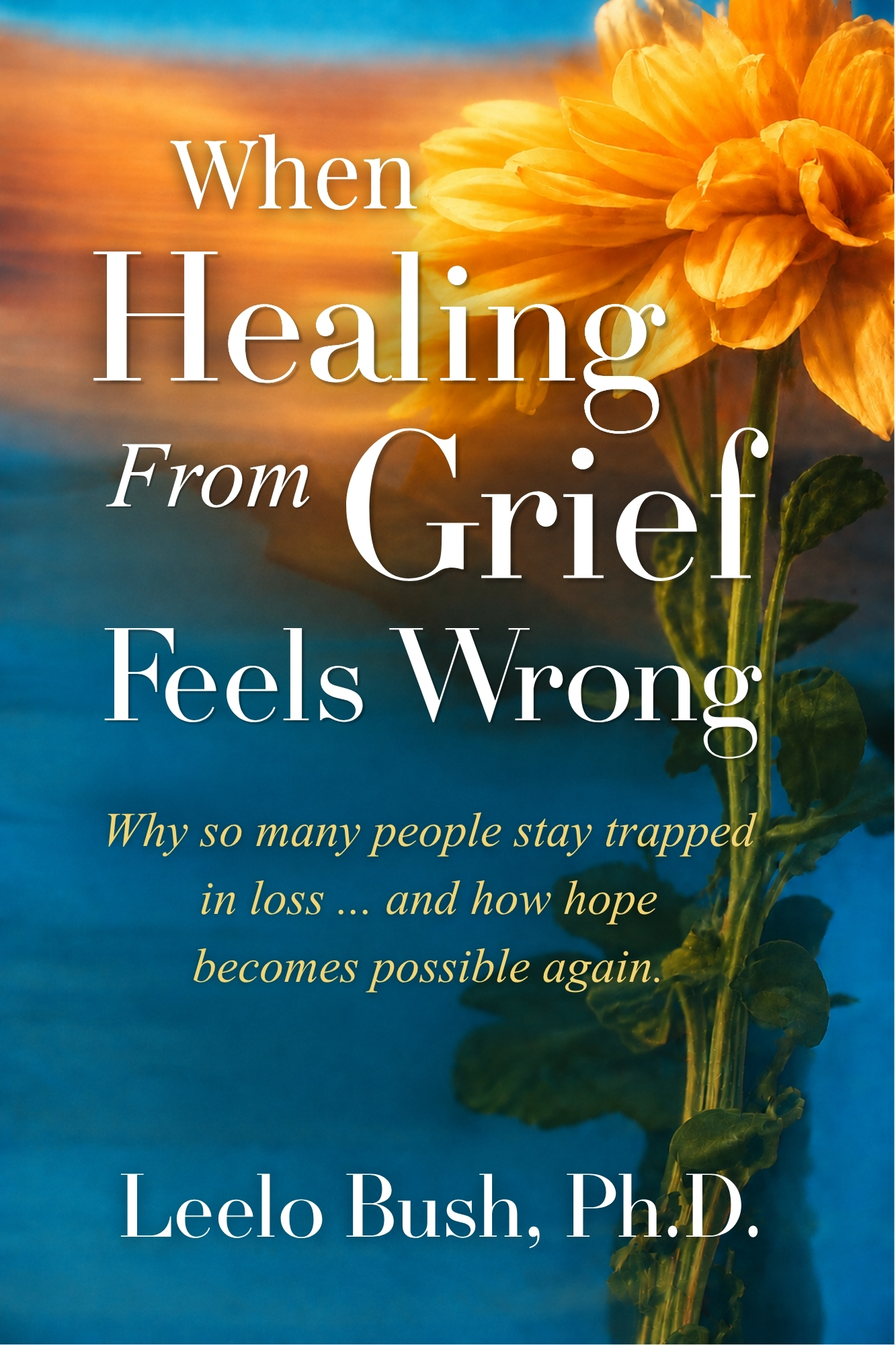
The book explores why the brain can literally wire itself for grief—and how new neural pathways can be intentionally developed. It examines psychological patterns that can keep people trapped, the ways certain environments and even well-meaning grief communities can sometimes make recovery more difficult, and the powerful belief that healing somehow means betraying the person or life that was lost.
Readers also discover practical ways to begin building new patterns, restoring joy, and giving themselves permission to heal.
One of its most important messages is simple:
Moving forward does not mean forgetting, and healing does not diminish love.
The book also reflects something central to our work at GCU: faith and neuroscience do not need to compete. Both can provide meaningful insight into the path toward restoration.
Continuing to Strengthen the GCU Training Experience
We are also continuing to refine the depth of our professional training.
GCU approaches grief care as a complete discipline, bringing together eight important areas:
Evidence-Based Neuroscience, Trauma-Informed Practice, Faith-Centered Principles, Grief Science, Assessment & Application, Ethical Practice, Restoration Methodology, and Coaching & Communication.
Why does that matter?
Because grieving people are complex.
Loss can affect emotions, beliefs, relationships, behavior, identity, faith, the nervous system, thought patterns, and a person’s understanding of what life is supposed to look like now.
Someone who wants to help needs more than a compassionate heart.
They need to know how to help.
That distinction continues to guide the improvements we make to our curriculum, resources, student experience, and the education we provide to the larger grief-care community.

I've taken other grief courses, but I found that some of the suggested practices did not align with my beliefs. That is one of the reasons I chose the Joy Restoration / Christian Grief Coach training. I wanted a Christian-based approach that would allow me to help others without setting aside my faith. Through the training, my desire to work with grieving people has grown even stronger."
“I can do all things through Christ who strengthens me.” ~Phil. 4:13
Better Resources Before, During, and After Training
We have also been expanding the educational resources surrounding GCU.
From free tools that help people understand their first steps in grief recovery, to new educational content and resources for professionals, we want Grief Coach University to become a place people can turn to for credible, practical grief education—not simply certification.
We are also making it easier for prospective students to understand what professional grief coaching really involves, what they will learn, and whether this calling fits the difference they hope to make.
An Award Is Not a Finish Line
We are deeply grateful that Grief Coach University has been named “Best Choice” for Christian Grief Coach Certification four years running.
But we don’t see that recognition as permission to become comfortable.
We see it as a challenge.
Do more. Learn more. Improve more. Serve better.
Because behind every lesson we teach is eventually a grieving person sitting across from someone who wants desperately to help them.
That person deserves more than good intentions.
They deserve someone who is prepared.
And that is why we will continue working to make Grief Coach University better.
Curious whether professional grief coach training could be right for you?
Take our 60-second quiz and discover whether your experience, strengths, and desire to help others may be pointing toward your next calling.

Hi Dr. Bush. I am in the middle of my GCU – Joy Restoration Coach program, and am wondering if I will benefit from the expanded resources too?
Hi Cheryl!
Thanks for your comment. And yes, absolutely. You have access to all new materials added to the course.
Love and blessings,
Leelo